Introduction:
Tanjore paintings, originating from the historic town of Thanjavur in Tamil Nadu, are among the most revered and classical forms of South Indian art. Renowned for their rich colors, opulent surfaces, and intricate gold-leaf work, these traditional masterpieces have adorned temples, palaces, and homes for centuries. This blog explores the profound history, unique craftsmanship, and essential preservation methods needed to keep this cultural heritage alive.
The Rich History and Origins
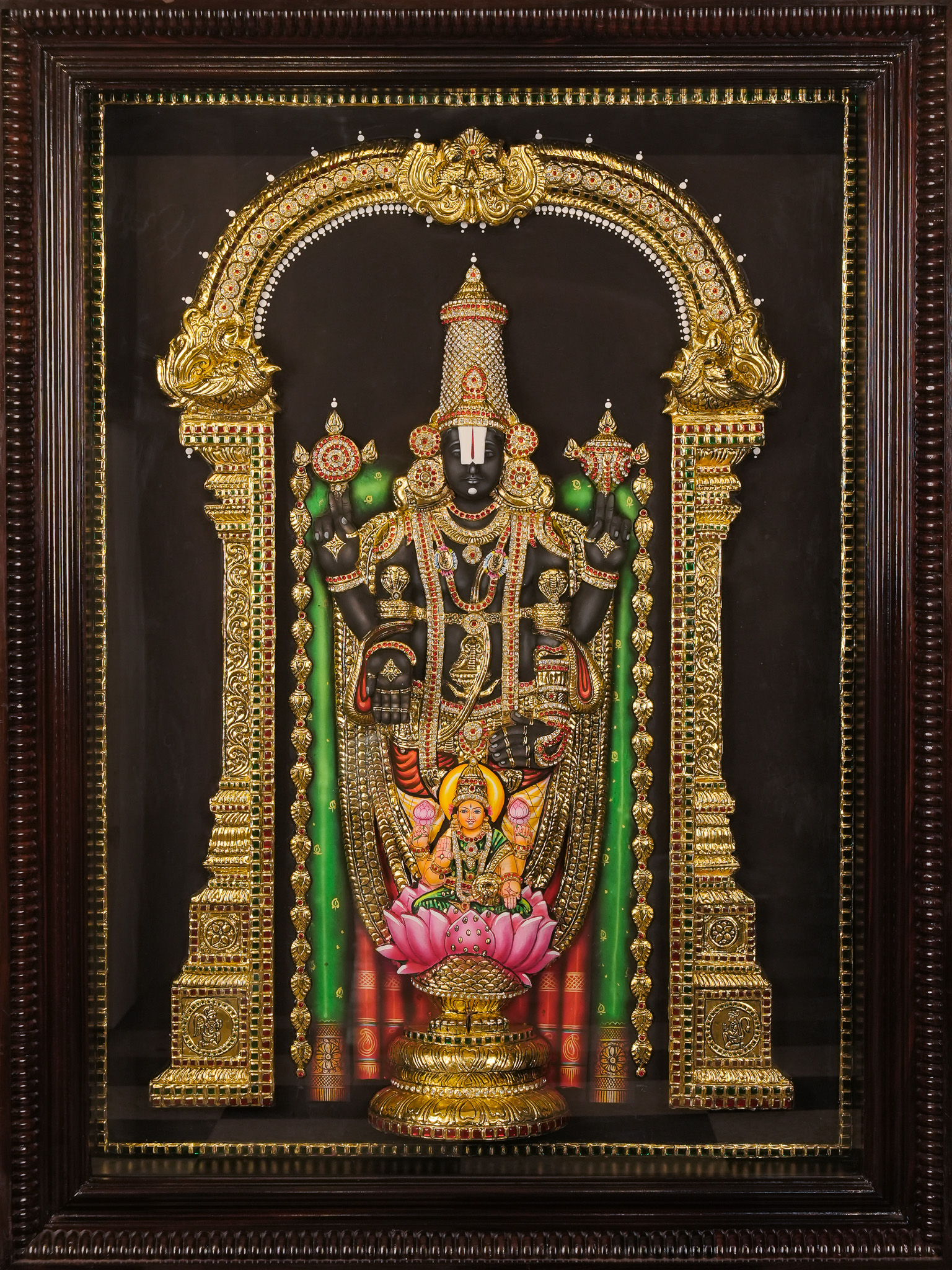
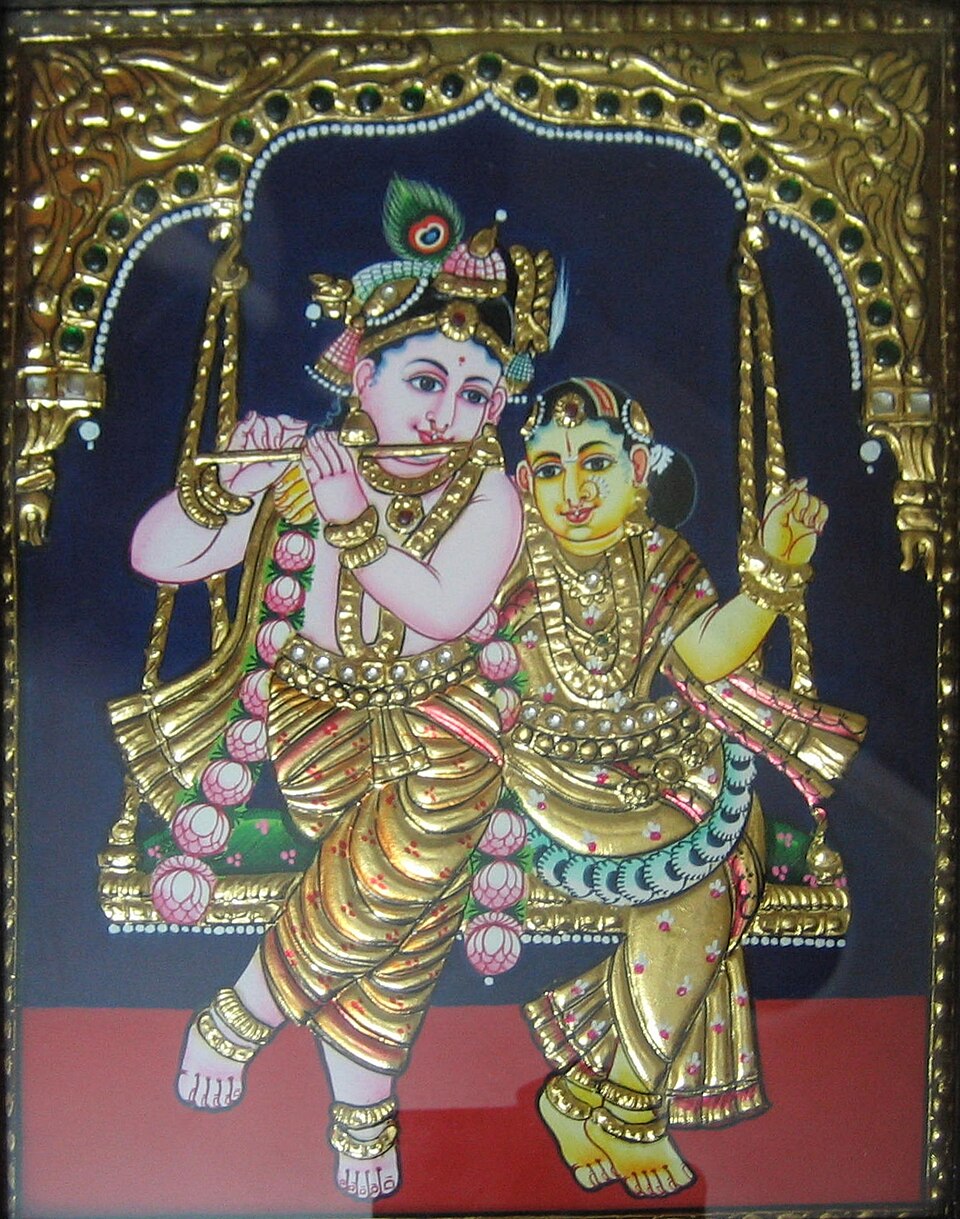
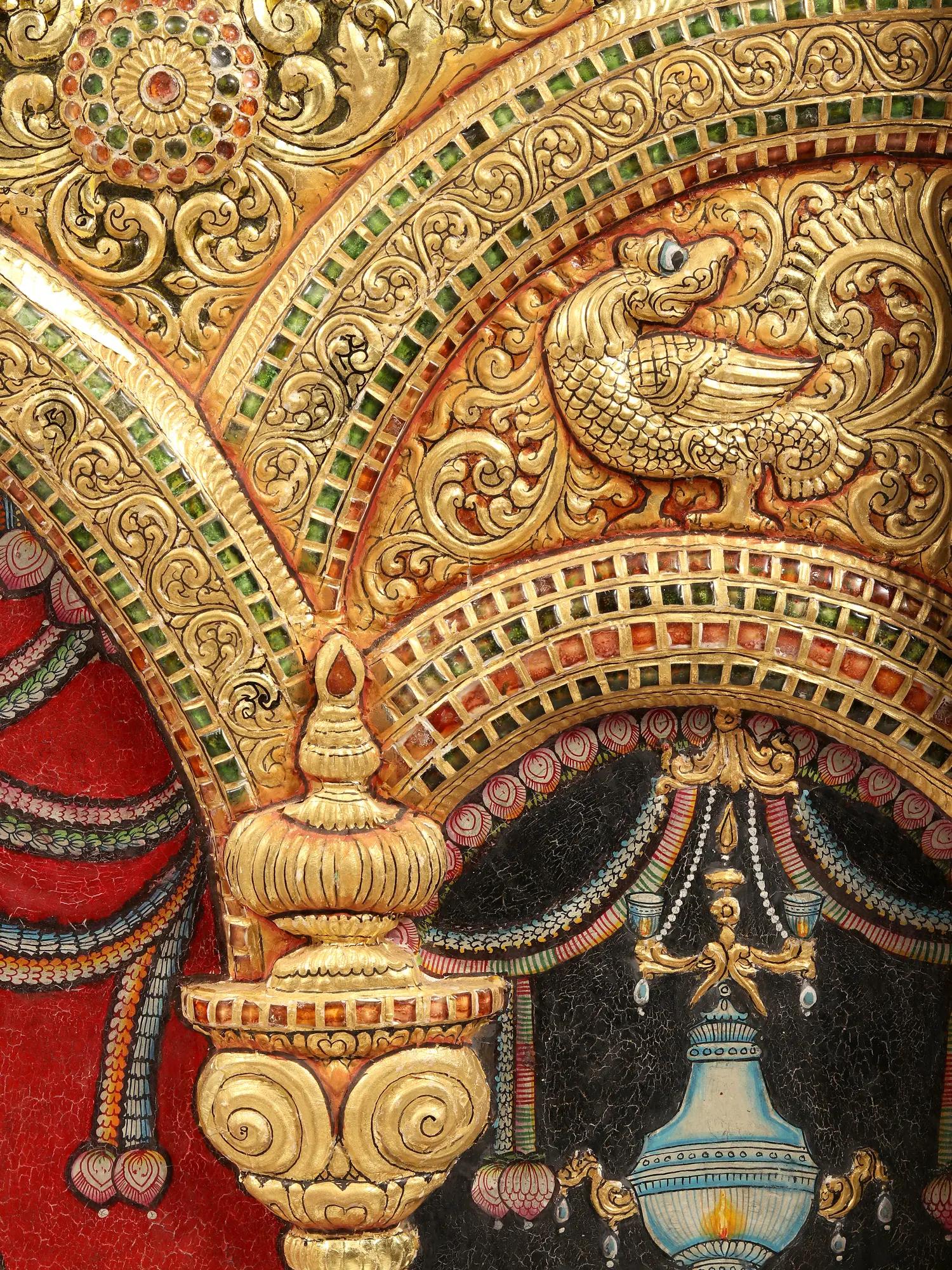
The Tanjore painting style flourished during the late 16th to the 19th century under the patronage of the Maratha rulers of Thanjavur, who actively supported various art forms, blending local South Indian traditions with Deccani and Maratha influences. Historically, the primary subjects of these paintings were Hindu deities, saints, and episodes from sacred epics. The central figure was typically framed within an architectural arch, often resembling the sanctum sanctorum of a traditional temple. Over time, the art form evolved from being purely a spiritual medium for worship into a symbol of wealth, status, and refined aesthetic taste among royal courts and affluent households.
The Distinctive Craftsmanship and Technique
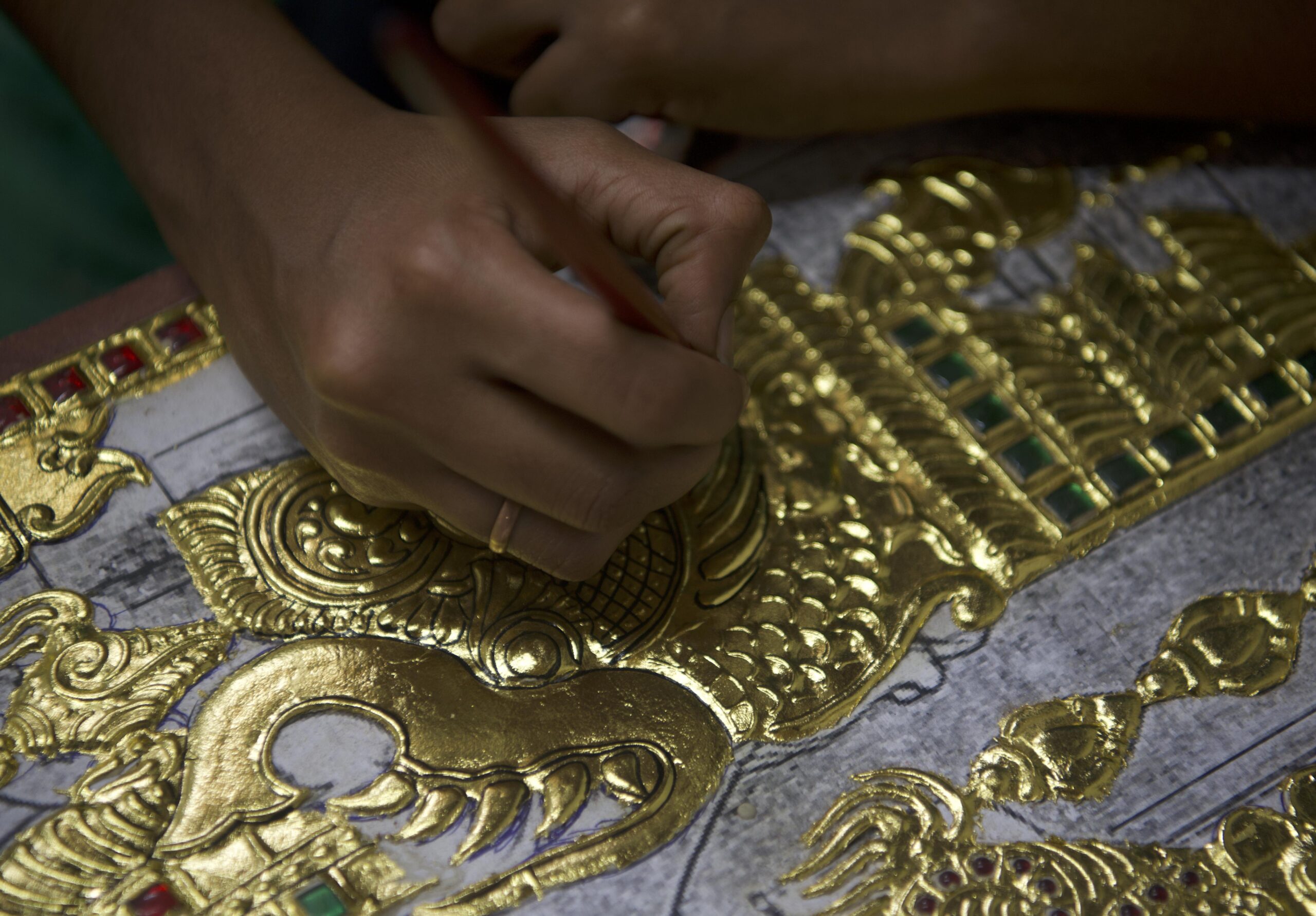
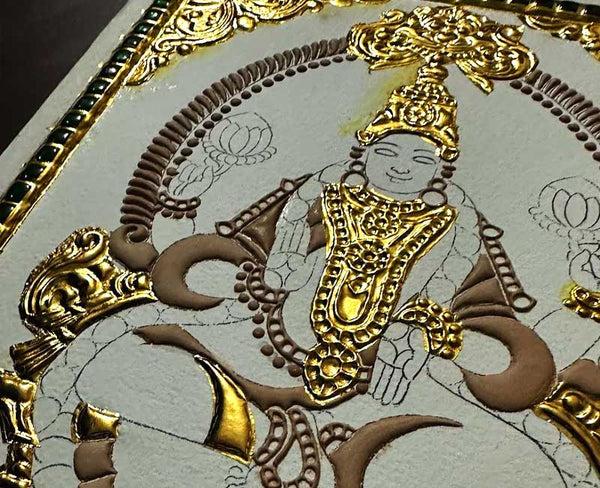
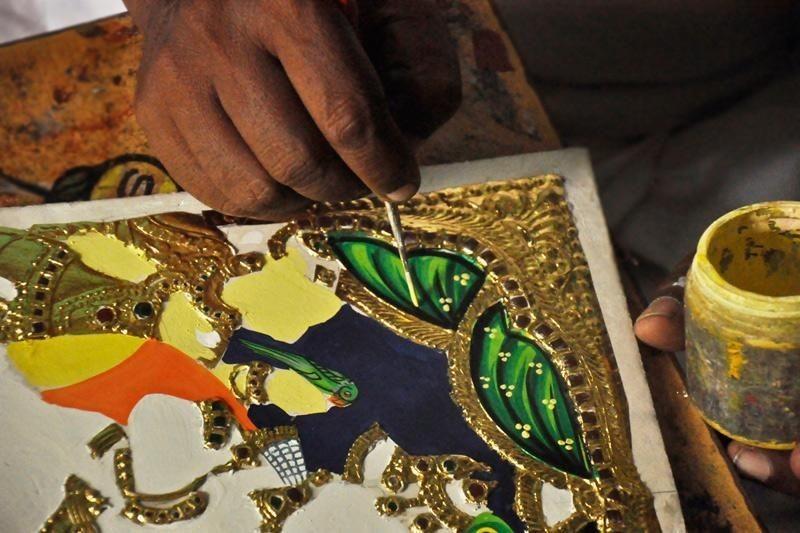
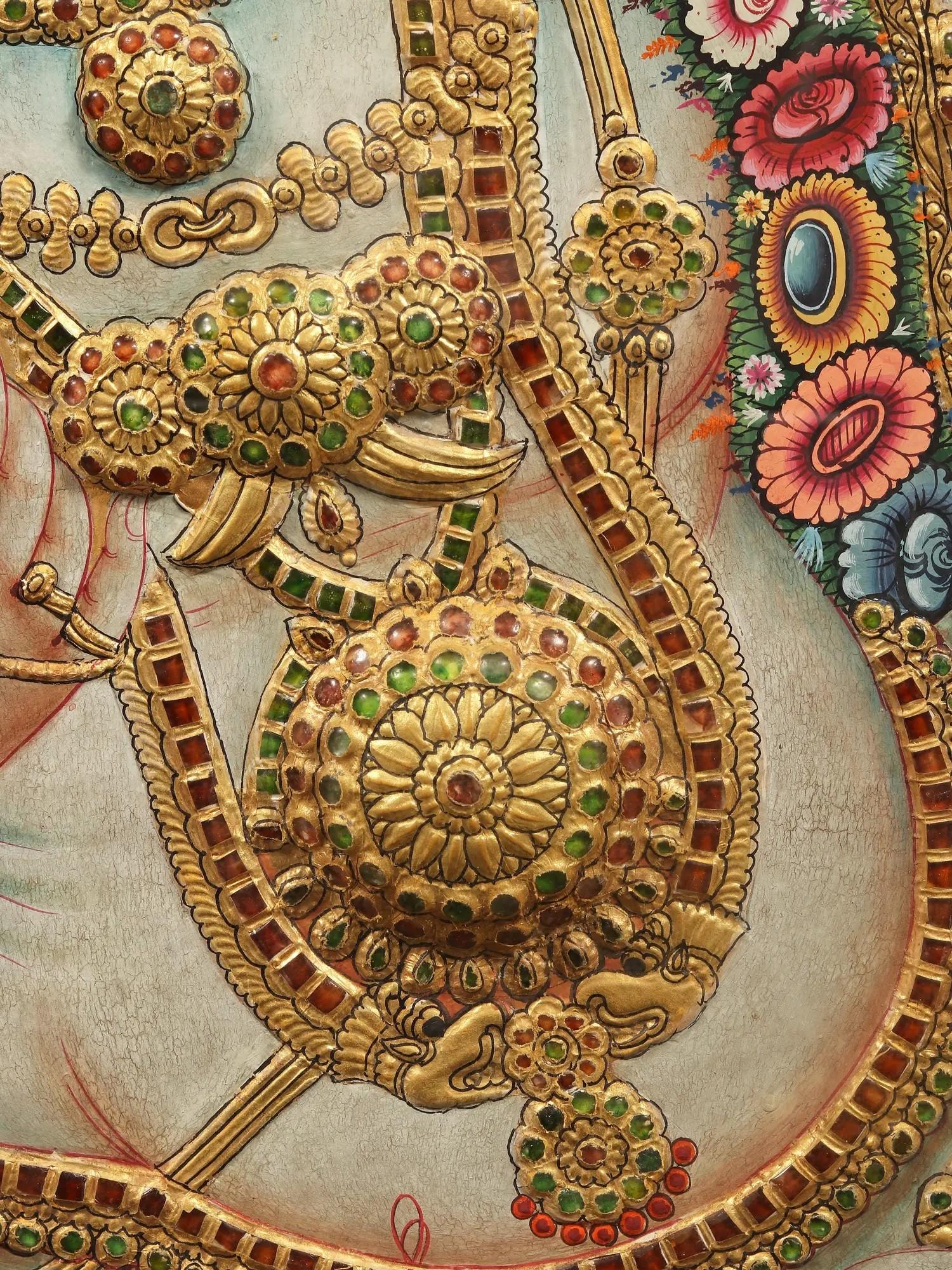
Unlike canvas paintings, traditional Tanjore works are crafted on a solid wooden panel (traditionally palagai padam, using jackfruit or teak wood), which provides a rigid and durable foundation for the heavy layers. A layer of chalk powder or limestone mixed with a binder is applied to the base to create a smooth canvas, followed by intricate relief work using a paste (makku) to give specific elements like jewelry, clothing, and architectural borders a three-dimensional effect. Genuine 24-carat gold foil is meticulously applied over the relief areas, paired with semi-precious stones, glass beads, or vibrant vegetable and mineral dyes that give the painting its signature luminescent glow.
Why Tanjore Paintings Hold Enduring Value
Owning a Tanjore painting is not merely about home decor; it is an investment in a living craft that requires immense skill, patience, and traditional mastery passed down through generations of artisans. The interplay of pure gold leaf against deep, rich color palettes allows these artworks to catch light naturally, adding a warm, majestic ambiance to both traditional and modern interior spaces. Built upon sturdy wooden panels and using authentic, high-grade materials, these artworks are designed to withstand the test of time, often becoming cherished family heirlooms handed down across generations.
Preservation and Display Best Practices
Because they utilize a wooden base and natural adhesives, Tanjore paintings are sensitive to extreme fluctuations in humidity and temperature, which can cause warping or cracking. Keep them in stable, climate-controlled environments. Prolonged exposure to harsh, direct sunlight can fade the vibrant vegetable dyes and degrade the integrity of the gold foil over time. Display them away from direct windows or use UV-protective glass if framing. Utilizing specialized framing techniques, such as maintaining breathing space behind the glass and avoiding moisture buildup, ensures that these precious cultural heirlooms remain pristine and continue to shine brightly for decades to come.
More Stories