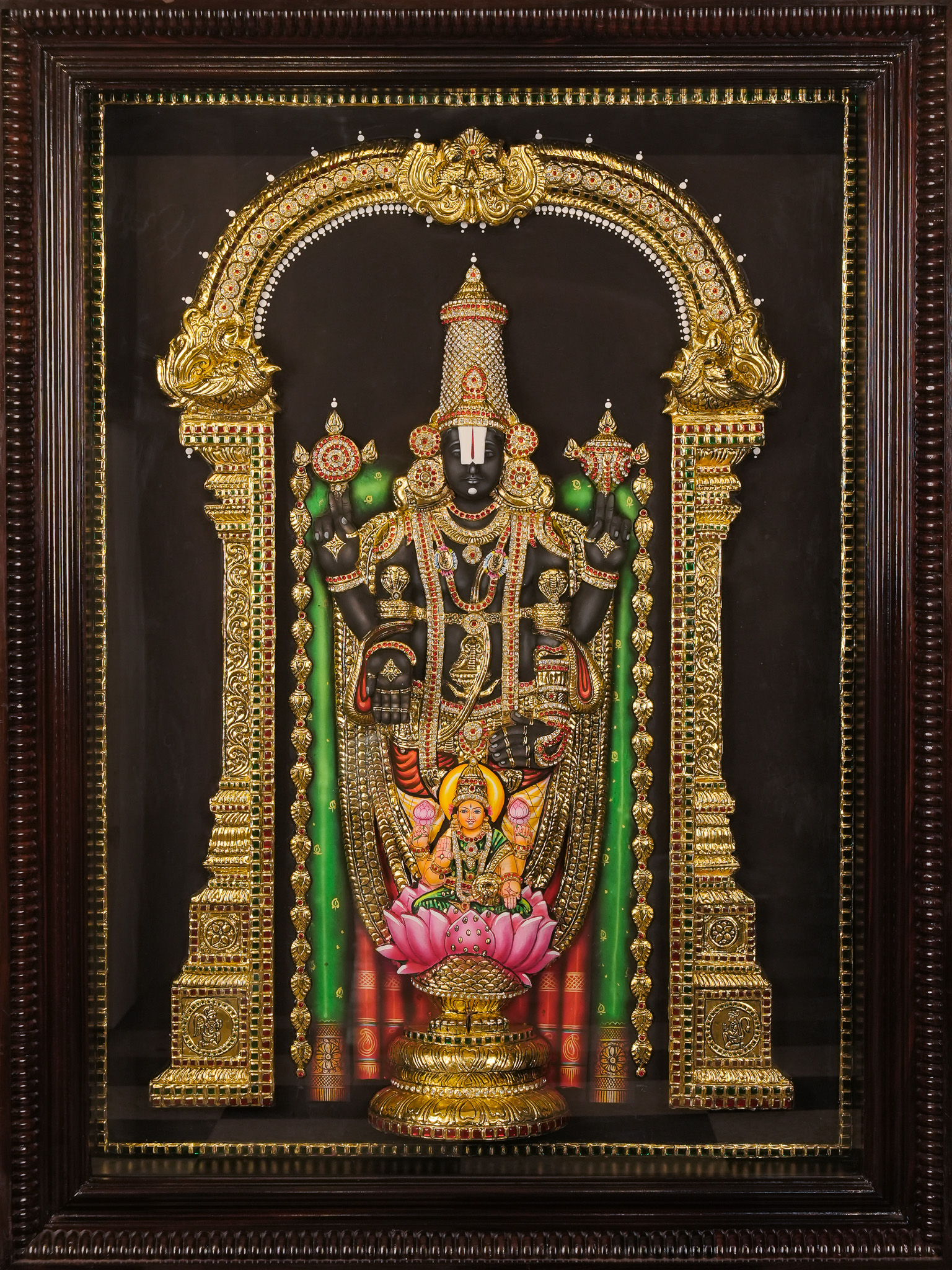
The Luminous Art of Gold Etching on Divine Portraits: Craftsmanship and Preservation
The Luminous Art of Gold Etching on Divine Portraits: Craftsmanship and Preservation Introduction: The tradition of

The tradition of incorporating gold into sacred art has existed for centuries across various Indian and Asian classical schools, transforming divine portraits into glowing testaments of devotion. Gold etching on god paintings—whether through heavy gesso relief or delicate surface incisions— adds a celestial radiance that captures light and mesmerizes the viewer. This blog explores the meticulous technique behind gold etching, its spiritual significance in religious art, and how to preserve these shimmering masterpieces.
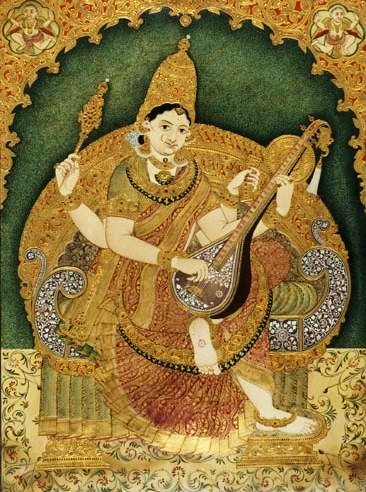
In traditional religious art, gold is rarely used merely for decoration; it symbolizes purity, divinity, and the eternal light of the cosmos, making it the ideal medium to portray deities and celestial realms. The reflective property of pure gold allows sacred portraits to interact dynamically with ambient room lighting, creating an ethereal glow that seems to shift and breathe as the viewer moves around the space. By highlighting crowns, halos, ornaments, and divine weapons in gold, master artists instantly draw the eye to the sacred attributes of the deity, establishing a clear spiritual hierarchy within the composition.
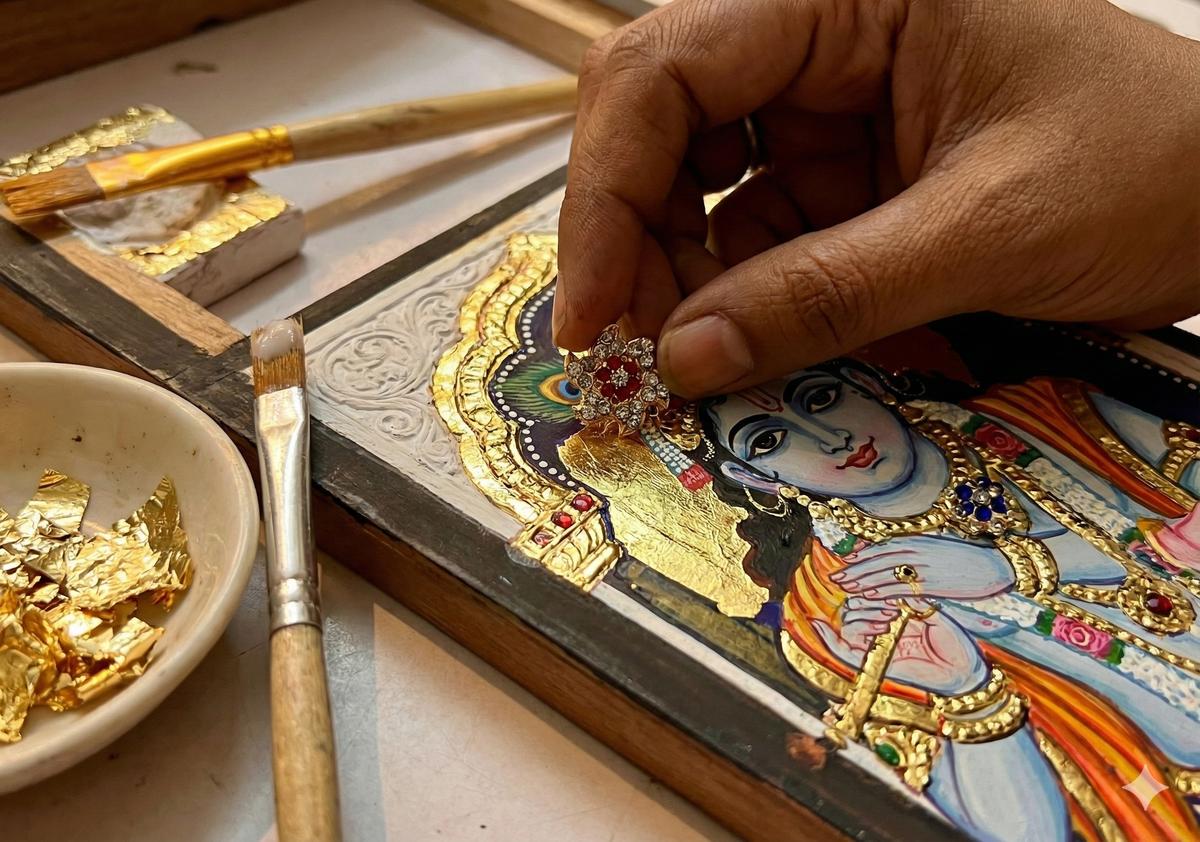
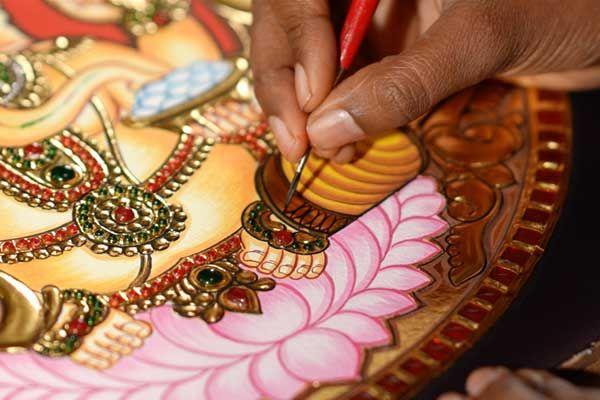
The process begins with a sturdy base of wood or treated canvas, layered with smooth gesso to create a flawless foundation that can support delicate metallic applications. Artisans carefully lay ultra-thin sheets of pure gold (often 24-carat) onto specially formulated adhesive pastes or raised relief molds, ensuring a smooth, mirror-like finish. Using specialized fine tools, craftsmen delicately etch intricate patterns, textures, and borders directly into or around the gold surface, revealing contrasting matte and reflective finishes that bring incredible depth to garments, jewelry, and architectural arches.
The combination of rich, deep mineral colors and gleaming gold accents brings an air of royal sophistication and spiritual tranquility to both traditional sanctuaries and contemporary living spaces. The fine art of etching requires years of precision training, ensuring that every piece serves as an exceptional conversation starter and an authentic showcase of heritage craftsmanship. Because genuine gold leaf and meticulous hand-etching are utilized, these paintings retain their intrinsic and artistic value over time, easily transitioning into prized generational heirlooms.
The delicate etched surfaces and gold leaf are vulnerable to scratching; never use chemical cleaners, damp cloths, or feather dusters directly on the unglazed artwork. High humidity can degrade the adhesives beneath the gold leaf, causing blistering or peeling. Keep the artwork in a stable environment away from damp walls or direct HVAC vents. Encasing gold-etched paintings in specialized professional frames with UVfiltering glass and a proper internal air buffer prevents condensation and protects the metallic sheen from oxidizing or fading over the years.

The Luminous Art of Gold Etching on Divine Portraits: Craftsmanship and Preservation Introduction: The tradition of

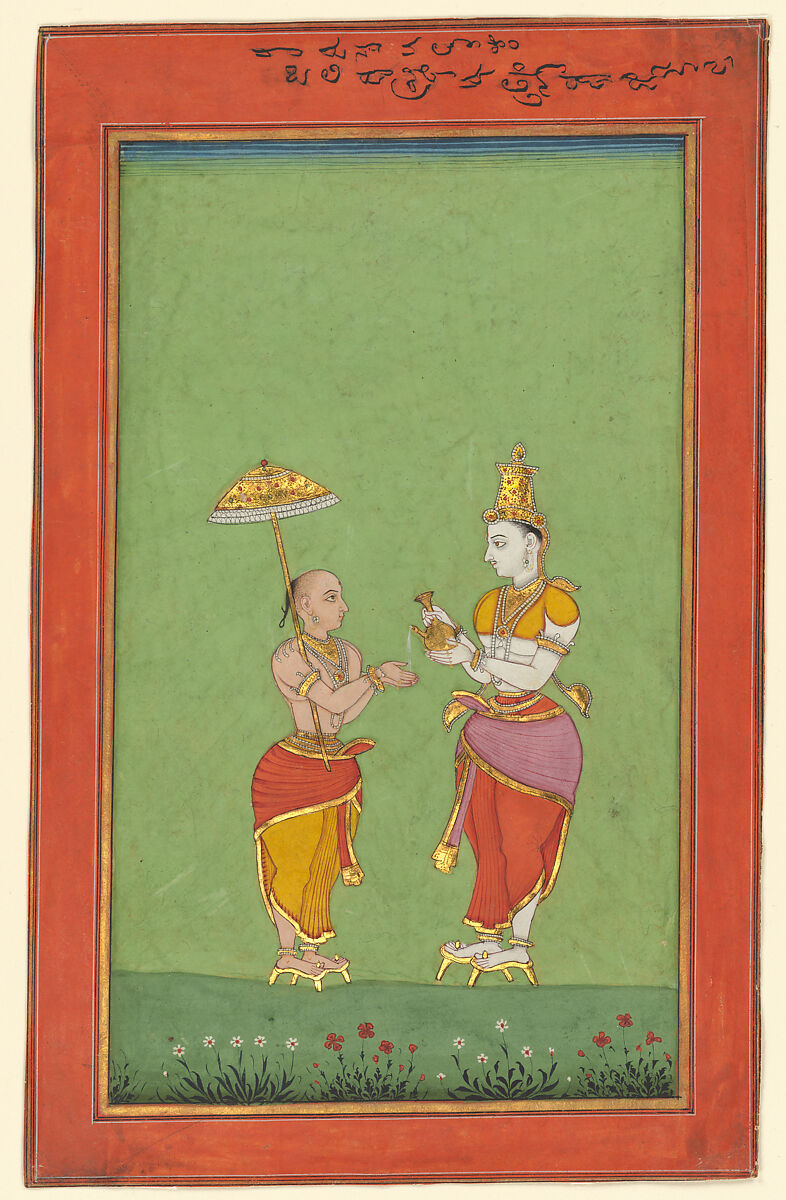
The Timeless Artistry of Tanjore Paintings: History, Heritage, and Preservation Introduction: Mysore paintings represent one of
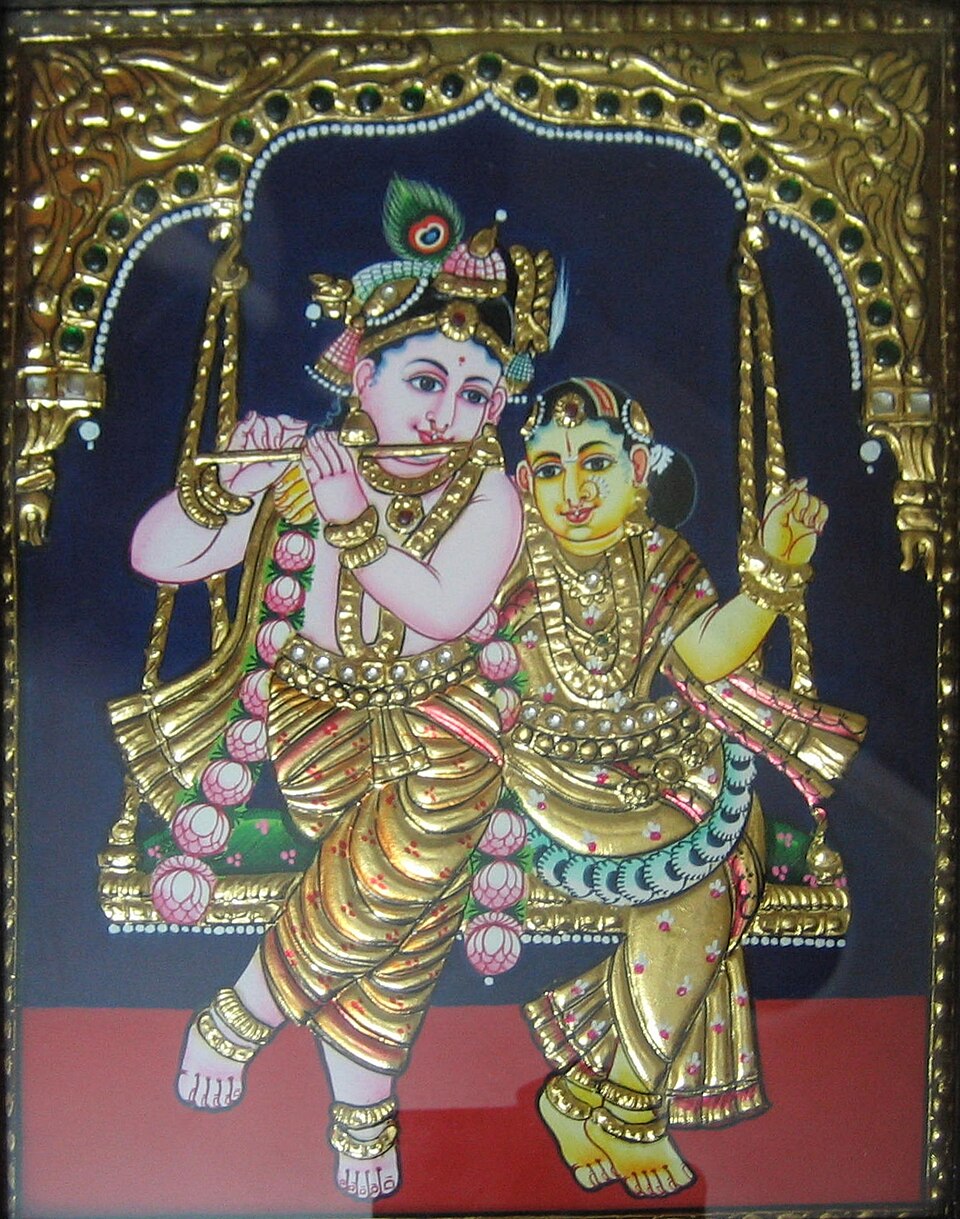
The Timeless Artistry of Tanjore Paintings: History, Heritage, and Preservation Introduction: Tanjore paintings, originating from the