Introduction:
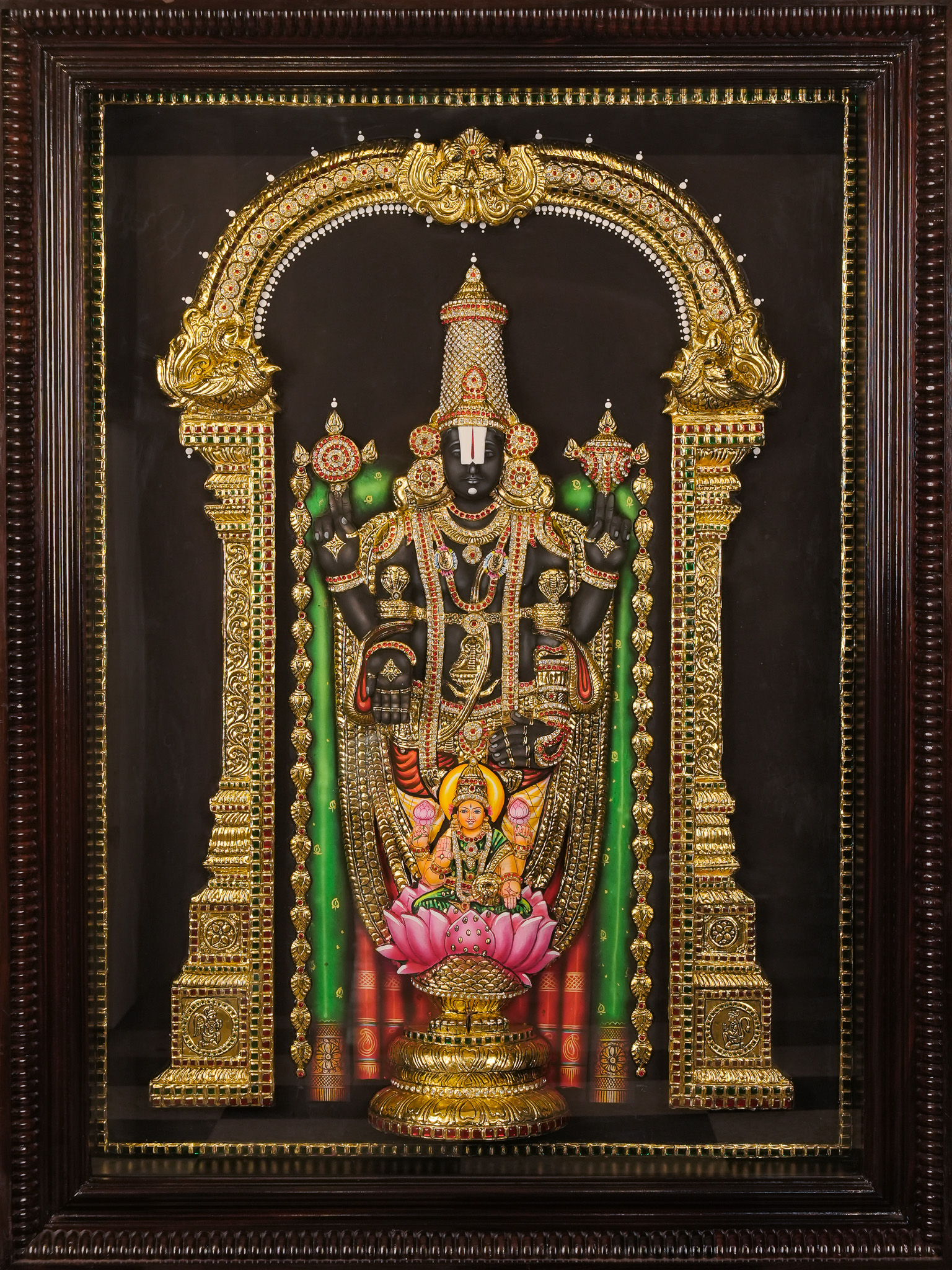
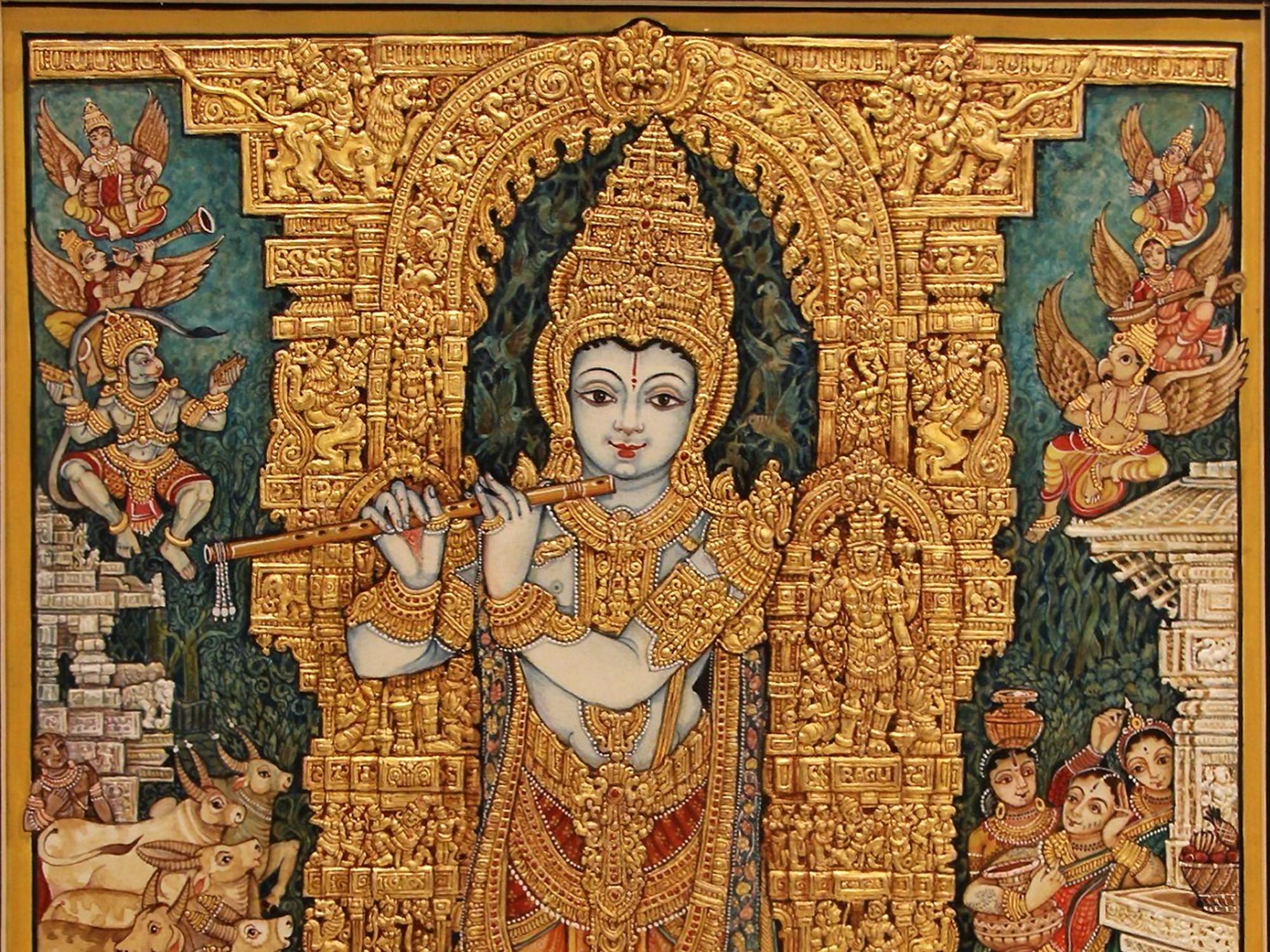
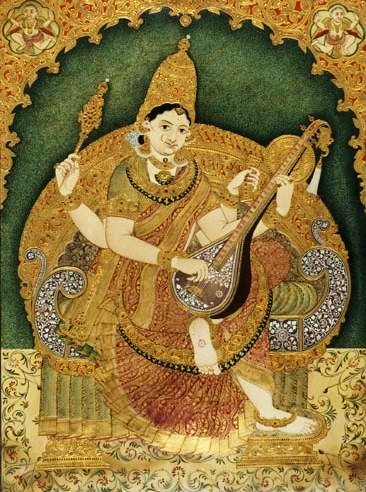
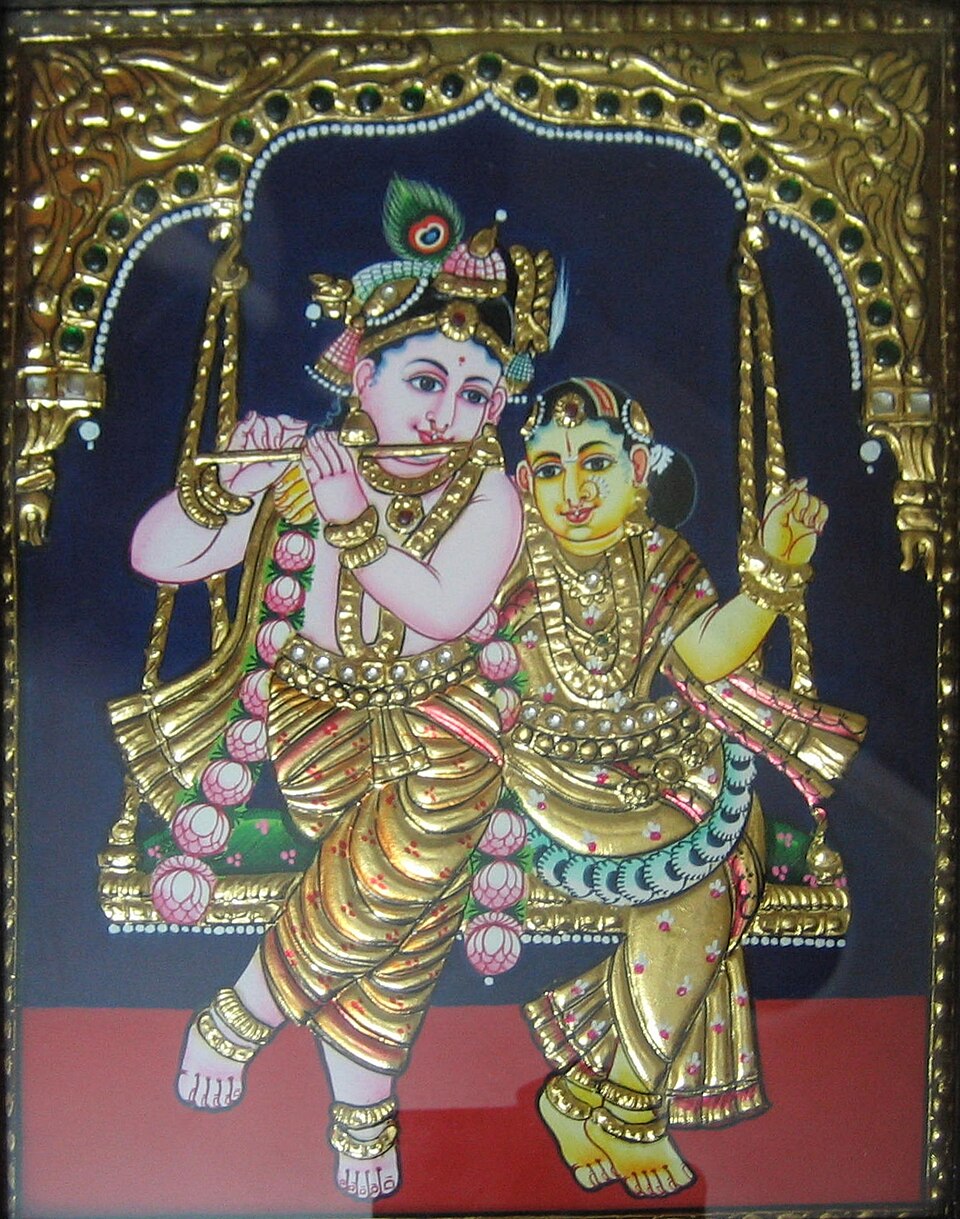
Mysore paintings represent one of the most classic and distinct schools of traditional Indian art, hailing from the royal city of Mysore in Karnataka. Characterized by delicate lines, muted color palettes, and intricate gesso work known as gandaram, these exquisite artworks have long been celebrated for their understated grace and deep spiritual narrative. This blog explores the history, unique artistic characteristics, and essential preservation practices for maintaining these cultural treasures.
Historical Roots and Royal Patronage
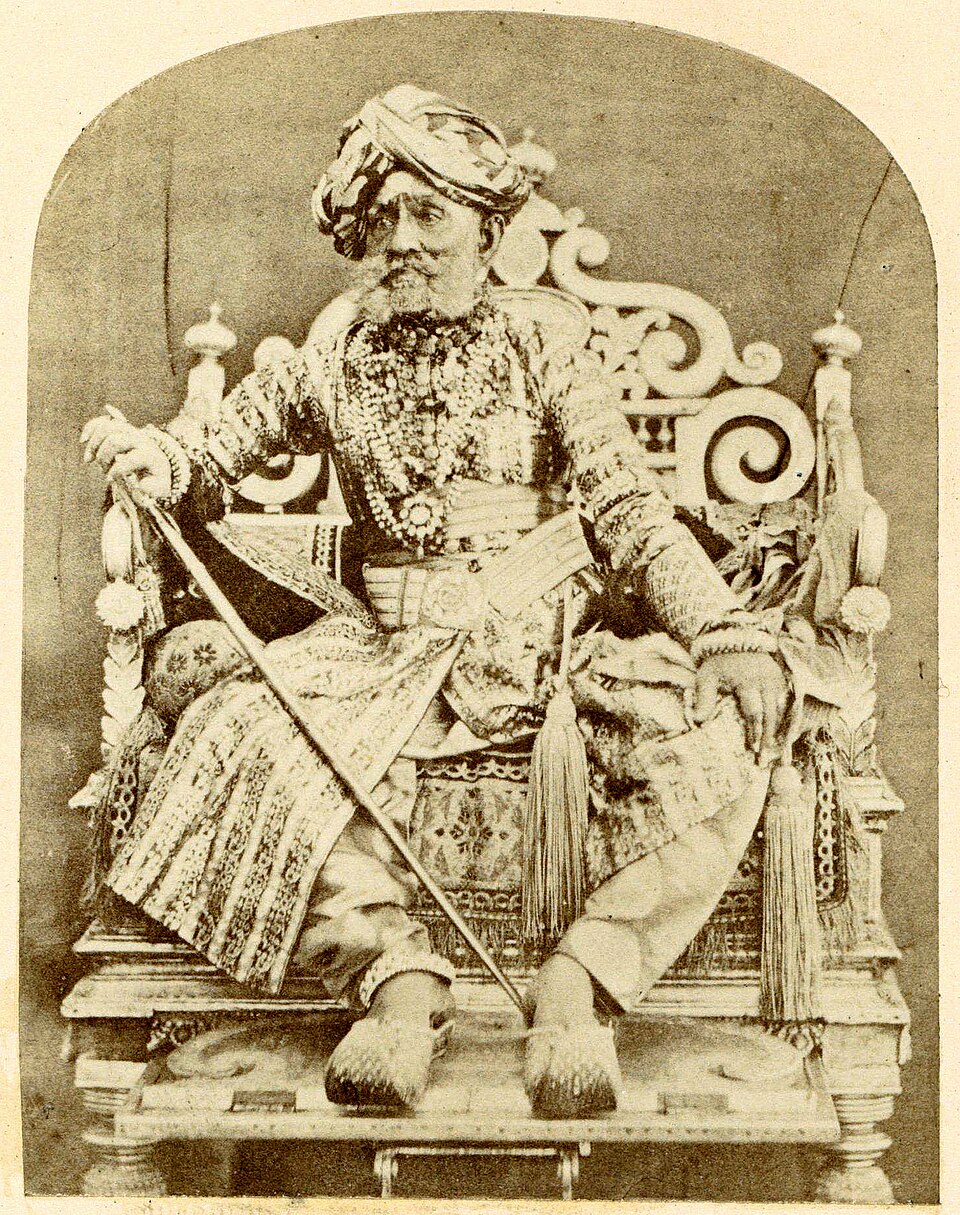
The art form received its greatest impetus during the rule of the Wodeyar dynasty, particularly under the patronage of Krishnaraja Wadiyar III in the early 19th century, who actively supported artists and documented traditional iconographic methods. Mysore paintings drew heavy inspiration from the architectural motifs, frescoes, and sculptural relief work found in regional temples, translating stone and pillar carvings into refined, two-dimensional compositions. The primary subjects traditionally center around Hindu deities, epic scenes from the Ramayana and Mahabharata, and portraits of royalty, meticulously detailed according to ancient canonical texts on proportion and posture.
Signature Techniques and Distinctive Features
Unlike the heavy, bold relief of some other classical styles, Mysore paintings are renowned for their fine, flowing lines, often executed with specialized brushes made from squirrel or camel hair. Raised embellishments are created using a paste made of white lead powder and gum, which is applied sparingly to highlight ornaments, clothing, and architectural borders before being gilded with pure gold foil. Artists traditionally used natural and vegetable extracts, mineral colors, and gold dust, favoring a sophisticated, subdued palette that lends the paintings a soft, luminous, and timeless quality.
The Value of Mysore Art in Modern Spaces
The understated elegance and intricate detail of Mysore paintings make them an exquisite addition to modern interiors, offering a sophisticated nod to South Indian heritage without overwhelming the room. Each piece requires weeks of meticulous hand-work by skilled artisans, ensuring that every artwork is an authentic, one-of-a-kind creation carrying deep cultural storytelling. Crafted using traditional materials on treated paper, board, or wood, these pieces possess remarkable longevity when properly cared for, making them treasured family heirlooms.
Preservation and Care Guidelines
Because traditional binders, paper, and wood bases are susceptible to moisture, Mysore paintings must be protected from high humidity to prevent mold growth or structural warping. Direct and harsh sunlight can cause natural pigments to fade and deteriorate the delicate gold leaf work; always display them away from direct glare or behind protective, UV-filtering glass. Professional framing that leaves a buffer space between the art and the glass prevents condensation buildup, safeguarding the intricate gesso and gold work for generations to come.
More Stories